


Talking to Children About Visible Differences
In the newsletter from the British organization Changing Faces, we read this advice from a mother who has only one eye: “Talk to your children about visible differences.”
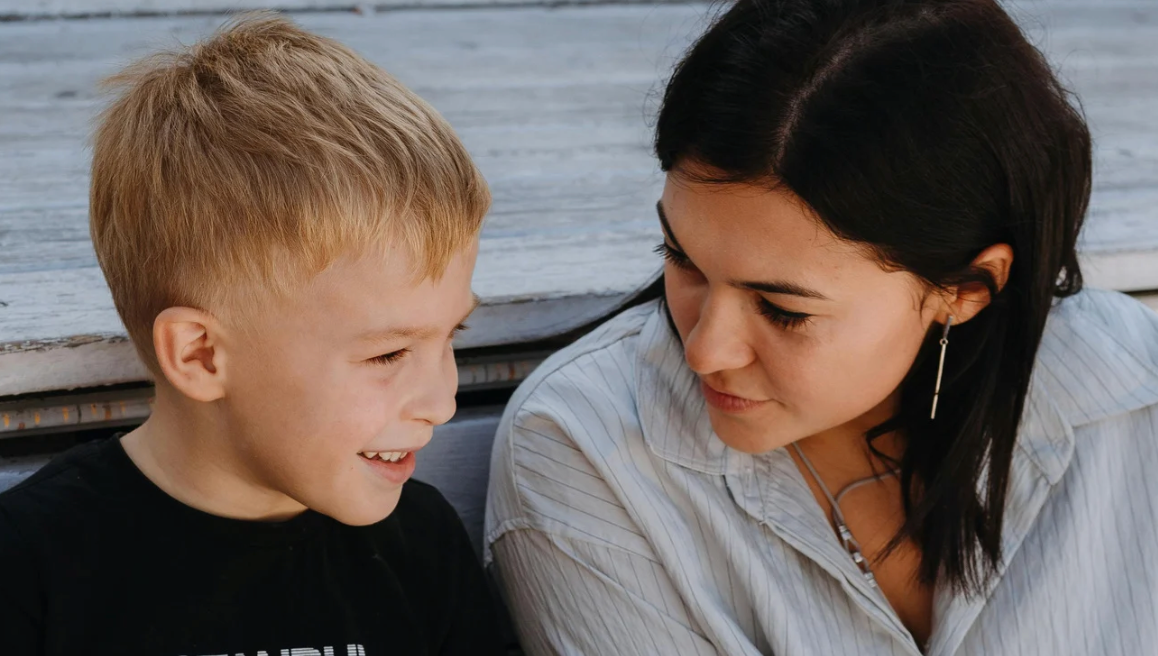
Curiosity is a natural part of being a child. When a child sees someone who looks different, they may stare or ask questions. Not out of cruelty, but simply because they want to know more.
Becky lost her eye when her son was three years old. She had to deal with his questions and guide him toward acceptance in an age-appropriate way. Becky also had to prepare him for the comments he might hear from his peers.
That is why it is so important for parents and teachers to talk with children about visible differences.
Becky’s advice:
“Talking about how some people are born with certain conditions and others have had surgery or been in an accident that has changed their appearance is an important way to develop empathy.”
“Emphasize that, even though people may look different, they are still human beings who experience joy, sadness, excitement, and so on. It’s also worth explaining that we’re all different in some way. What’s important is that we treat everyone with respect.”
“A lack of education about visible differences is very harmful. When you grow up without learning about visible differences, the standard reaction is often fear or even cruelty. This has consequences for those who live with a visible difference—it can be painful and lonely. If people understood the emotional impact of their words, they might change their behavior.”
Do you have a child? This summer vacation, talk to him or her about visible differences. Help them spread understanding and acceptance when they go back to school.