

Go to...


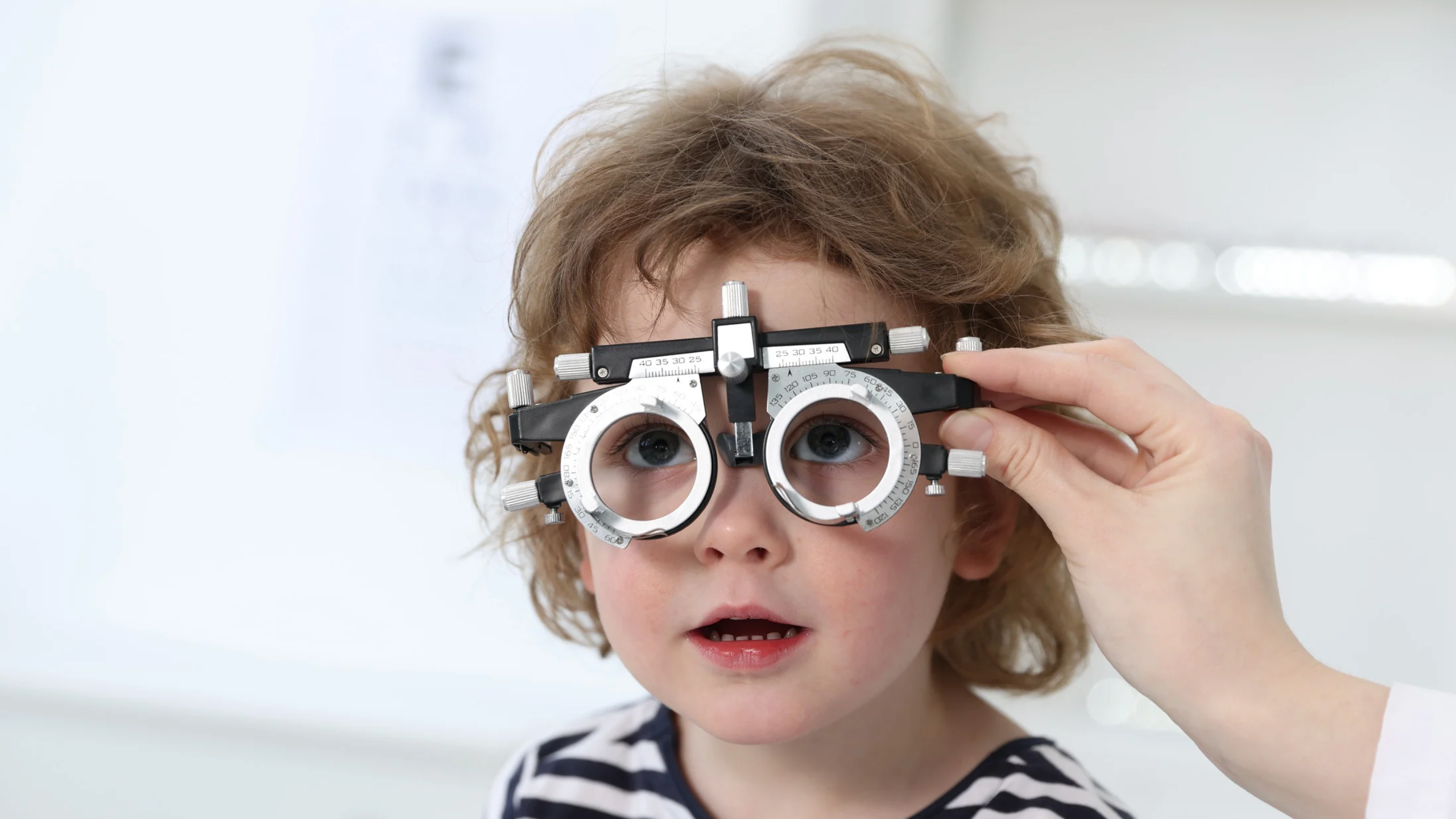
1. Medical Examination for Symptoms
Are you experiencing health problems? If so, you should see a doctor to find out what’s causing your symptoms. This is called a diagnostic examination. The goal is to identify the cause and receive treatment so that you can get better.
2. Research for science
There is also medical research. In this type of research, researchers don’t just look at your symptoms; they also try to answer general questions about diseases. Sometimes this type of research can help alleviate your symptoms, but that isn’t always the goal.
• Searching for better treatments for a disease.
• Learn more about a disease
• Detecting diseases
Would you like to read more about this? You’ll find a clear explanation on the website of the Central Committee on Research Involving Human Subjects (CCMO). It also includes information about different types of drug research.

People who participate in a study are called study participants. Often these are patients, but sometimes they are healthy people as well. Patients hope that a new treatment will help them recover more quickly or experience fewer symptoms. So there may be benefits, but that’s not always the case. Sometimes you participate to help others in the future. Because a study is different from regular treatment, strict rules apply. This ensures that your safety is always protected.
Always discuss with your doctor what participating in a study could mean for you. Ask about the potential benefits and what practical arrangements will be made, such as reimbursement of travel expenses. Potential benefits include:
• You’ll be contributing to research that could lead to better care in the future.
• You may benefit from a new treatment.
• During the study, you’ll often receive additional medical checkups.
It’s also important to consider the less pleasant aspects. These include:
• A new treatment may cause side effects or carry risks.
• It often takes up extra time, for example, due to additional hospital visits.
• There may be costs, such as travel expenses, that aren’t always reimbursed.
• The study may require more energy, for example, due to physical exams, questionnaires, or keeping a diary.
• Sometimes you’ll need to adjust your lifestyle. For example, you may not be allowed to drink alcohol or smoke, or your doctor may ask you not to become pregnant. Your medication may also be temporarily adjusted.
All studies involving human subjects are strictly monitored. A special, independent committee of experts reviews whether the study is safe enough. They ensure that your rights and health are properly protected before the study is allowed to begin.
The researcher is usually a doctor or scientist. He or she will explain what the study involves during a conversation with you. You will also receive written information. This way, you’ll know what is expected of you, what the risks are, and whether the study might benefit your health. You can take your time to read the information at home before making a decision.
In some studies, only data is collected—such as your body temperature, blood test results, or how you’re feeling. This can be done through a test, a measurement, or by filling out a short questionnaire. Other studies test a new treatment, surgery, or medication. Often, the researcher compares the new treatment with the existing one. A random draw (randomization) determines which group you’ll be assigned to. Neither you nor, in some cases, even the researcher knows which treatment you are receiving. This is called a double-blind study. This ensures that the results can be evaluated objectively. Sometimes, one group of participants receives a placebo: a fake treatment that looks the same as the real treatment.
If you participate in the study, there are rules you must follow. Sometimes you won’t be allowed to eat, or you’ll have to avoid certain foods. You may also need to take medication at a specific time. Sometimes we’ll ask you to keep a diary. In addition, you must attend follow-up visits and other study appointments.
It is very important that you follow these rules. If you do not, the study cannot be conducted properly. The results will then not be reliable. If you do not follow the guidelines, the researcher may decide that you must stop participating in the study.
Don’t want to participate? Then you don’t have to sign anything or give a reason. If you’re a patient, you’ll simply receive the usual care and treatment you would have received otherwise.
Do you have any questions? You can always ask the researcher, whether before, during, or after the study. The information you receive will also include the name and phone number of an independent expert. You can call this person if you want advice from someone who is not involved in the study.
Most studies have special insurance coverage in place. This is to protect you in case something does go wrong during the study. You can read more about this in the information you receive.
Your participation is voluntary. This means you may withdraw at any time, both before and during the study. You do not need to give a reason. Sometimes it is not advisable to withdraw suddenly, for example, in studies involving medications. Always discuss this with the researcher. You can then withdraw safely and, if necessary, receive medical care.
If you participate in the study, there are rules you must follow. Sometimes you won’t be allowed to eat, or you’ll have to avoid certain foods. You may also need to take medication at a specific time. Sometimes we’ll ask you to keep a diary. In addition, you must attend follow-up visits and other study appointments.
It is very important that you follow these rules. If you do not, the study cannot be conducted properly. The results will then not be reliable. If you do not follow the guidelines, the researcher may decide that you must stop participating in the study.
More information on a number of topics related to medical research involving human subjects:
• Central Committee on Research Involving Human Subjects (CCMO): The CCMO provides information on laws and regulations governing medical research.
• Medical Research Brochure: General information for research participants
• Dutch Government: General information for research participants
• Child & Research Website: Here, children and their parents can read all about the how, what, and why of research. To learn what it is and decide for yourself whether you want to participate or not.
• Medical Research Involving Human Subjects Act (WMO): The WMO is the Dutch law that sets out the general rules governing research involving human subjects.
• You can download the discussion guide for (physician) researchers and healthcare providers here.
• You can download tips on inclusion for healthcare providers here.

There are glass and plastic eye prostheses. What are the pros and cons of the different types? And where can you have them made?

What changes after an eye removal? How does it affect work or school, exercising, and driving, for example? How do you cope with fatigue and coming to terms with the situation?

There are several reasons why people see out of only one eye. On this page, you’ll find the most common causes.