

Go to...


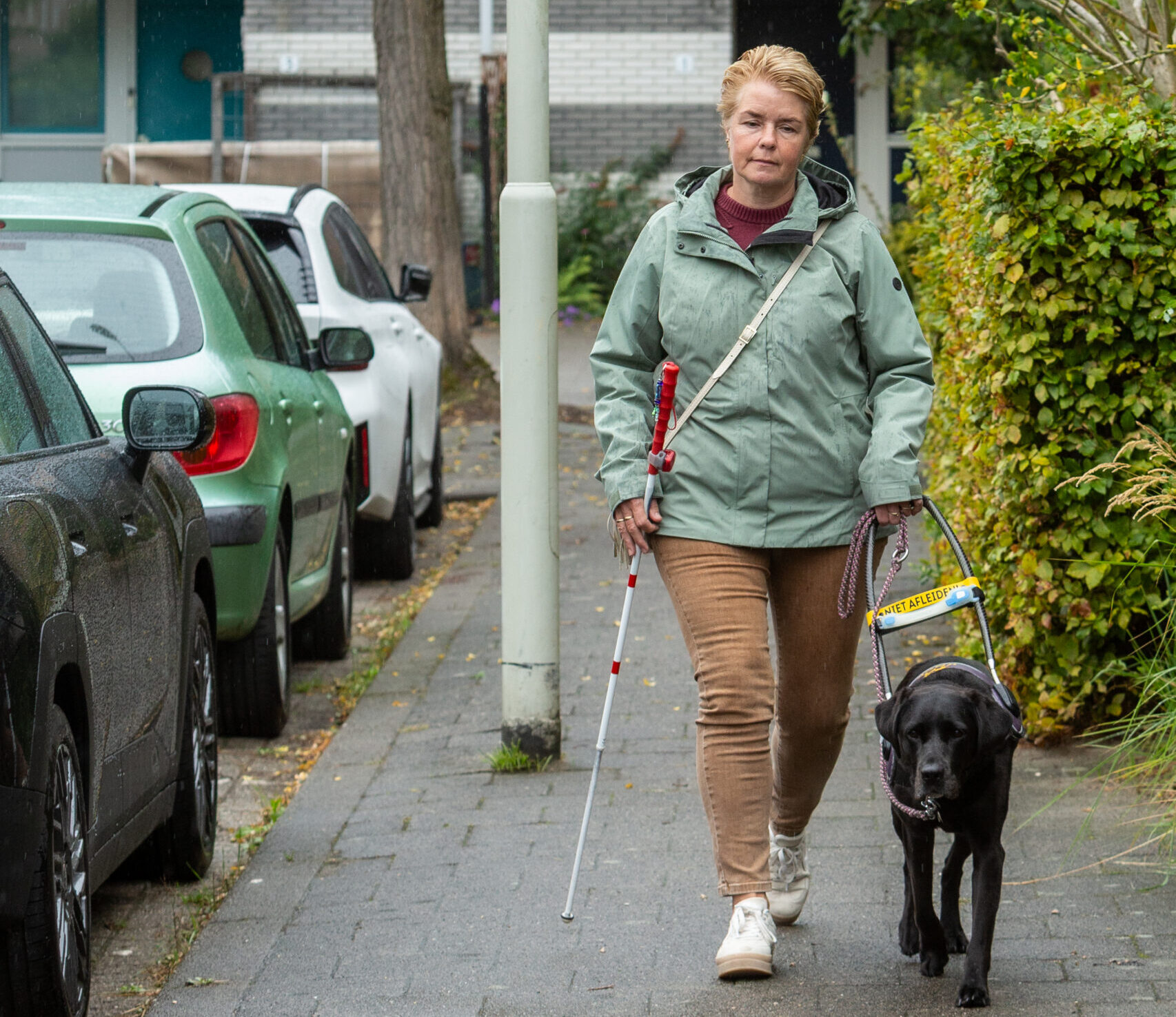
An eye prosthesis replaces an eye that has been removed. It comes in different shapes and is made to measure. Some people have one eye prosthesis, others have two. The effects differ from person to person and from situation to situation. You can read more about eye prostheses on these pages.
If you have one eye prosthesis, you may start to worry that your other eye will also get worse and that you might go blind. These worries are completely understandable. Talking to your eye doctor can give you clarity. Regular check-ups at the hospital are important too. Contact with peers or a conversation with a social worker can also help you cope with this.
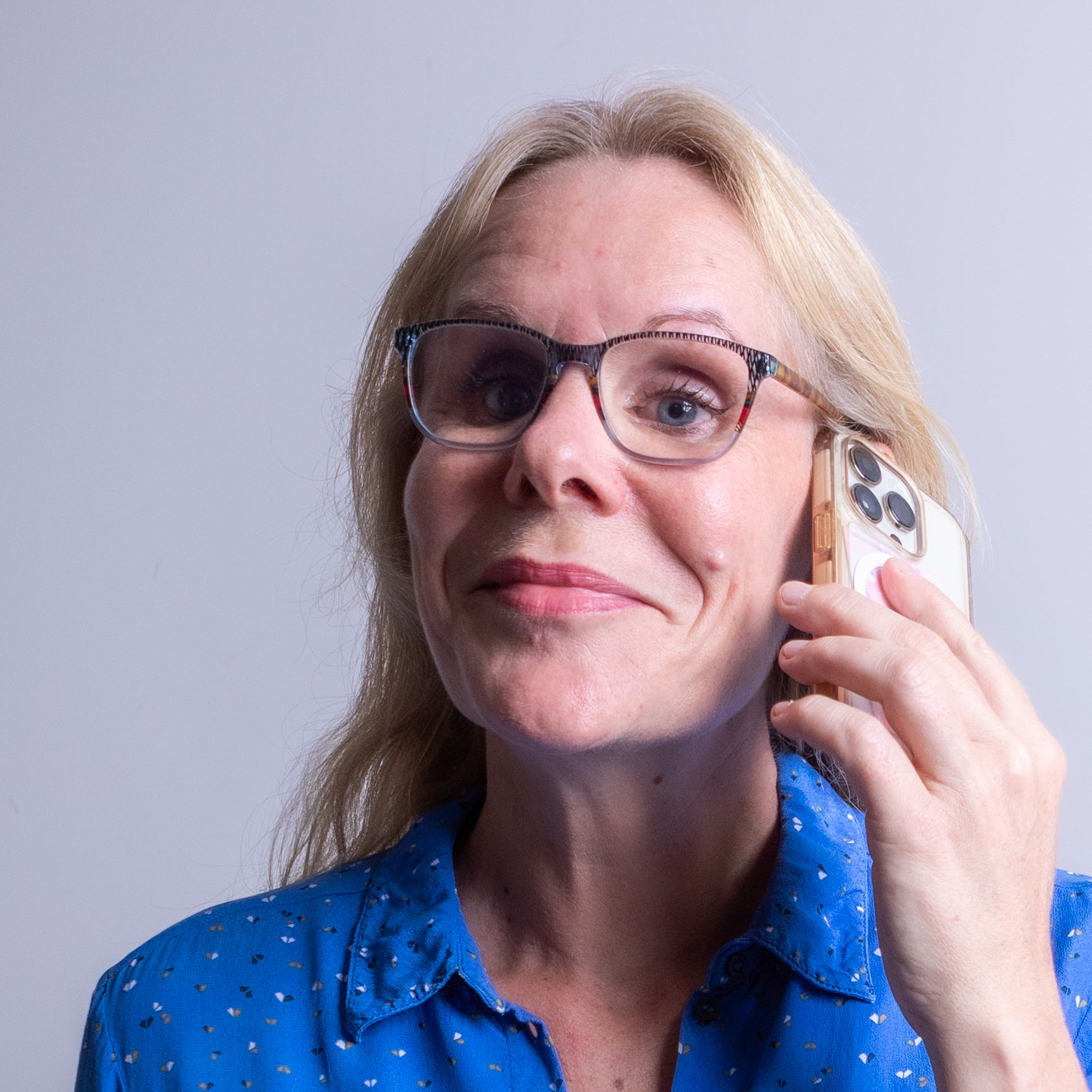
If you can’t see, it is hard to check whether your prosthesis is in the right place. You learn this mainly by feel. Using fixed steps and practising calmly makes it easier over time. An ocularist, nurse or rehabilitation specialist can help you with this. The step-by-step guide below can also support you:
Every movement should be gentle and careful. Take your time and don’t force anything. With practice, the movements become more familiar.
With two eye prostheses, there is often no perception of light at all. That calls for a new way of living and moving around. You have to learn to find your way again, at home and outside. This is a process that takes time and guidance.
If you can no longer tell whether it is light or dark, your body clock can get disrupted too. This can cause sleep problems, tiredness and trouble concentrating. A daily structure and fixed times can help. Discuss these problems with your GP or rehabilitation doctor.
Not being able to read the way you used to can be a great loss. Fortunately, there are good alternatives such as audiobooks, spoken newspapers and braille. Useful websites (in Dutch) are: • Passend lezen: audiobooks, newspapers and braille • Leesbutler: help with finding suitable ways to read
Good guidance is essential to stay safe and independent. Orientation and mobility training helps with walking, remembering routes and dealing with obstacles. This increases your independence and self-confidence. Organisations such as Koninklijke Visio and Bartiméus can help you with this.

Losing your sight or an eye can feel like grief. Sadness, anger or helplessness are part of that. These feelings are allowed to be there. Talking to others, professional help or contact with peers can help you process it. Read more about the mental effects on this page.
Vereniging OOG in OOG offers a place where you can share experiences with people who are going through the same thing. Peers often understand what you are going through without much explanation. This contact can give you support, recognition and practical tips. Everyone experiences life with an eye prosthesis in their own way. There is no right or wrong pace. Take your time, ask for help where needed and know that you are not alone. The team for blind and severely visually impaired people of Vereniging OOG in OOG will listen to your story and is happy to think along with you. You can also join our WhatsApp group for blind and severely visually impaired people in the WhatsApp Community.

Vereniging OOG in OOG informs, connects, advises and stands up for your interests. See what we do for people who see with one eye.

There are glass and plastic eye prostheses. What are the pros and cons of the different types? And where can you have one made?

If you are facing an eye removal, you often have a lot of questions. What exactly will happen? What are the effects of the operation? Which doctor should I see?