Go to...



If you’re scheduled to undergo an enucleation or evisceration soon, you probably have a lot of questions.

There is a lot to know about eye prostheses.

Are you a elementary school student with an ocular prosthesis, or are you about to get one?

Are you between the ages of 12 and 18? Then this page is for you!

This information is intended for parents, siblings, partners, family members, and friends of someone who wears an ocular prosthesis.

Would you like to volunteer for our charity as part of one of our teams? You’re more than welcome!
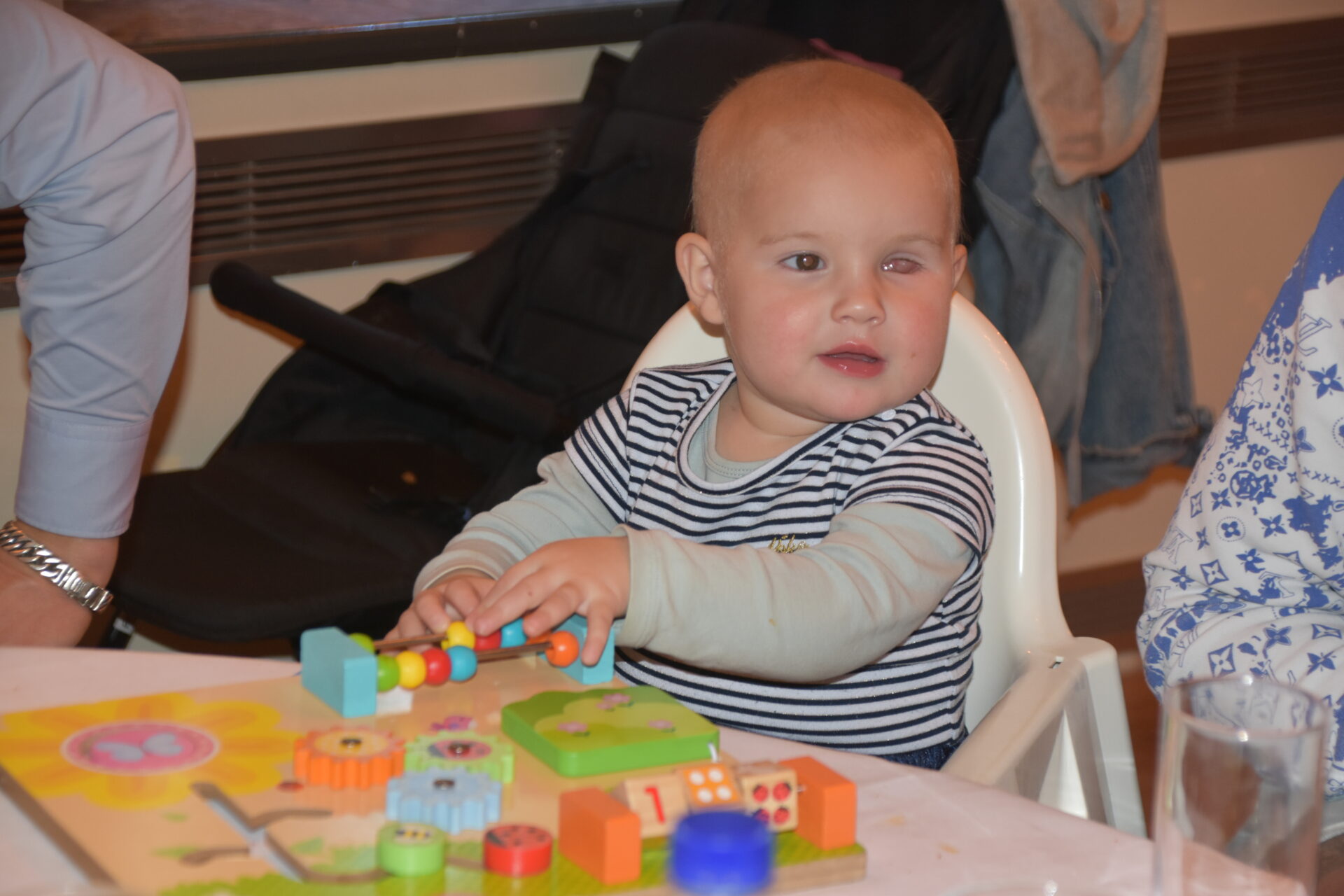
Do you care for someone who wears an ocular prosthesis? You’ll probably find this information helpful.

People from Belgium can also become members of our patient organization.

If you are blind and wear one or two artificial eyes, this can present some challenges.


We provide independent and reliable information.

We organize gatherings where you can meet others in similar situations.

We advocate for the interests of people who see with one eye and/or wear an ocular prosthesis.

If you’re about to have an eye removed, you often have a lot of questions. What exactly is going to happen? What are the consequences of the surgery? Which doctor should I see?

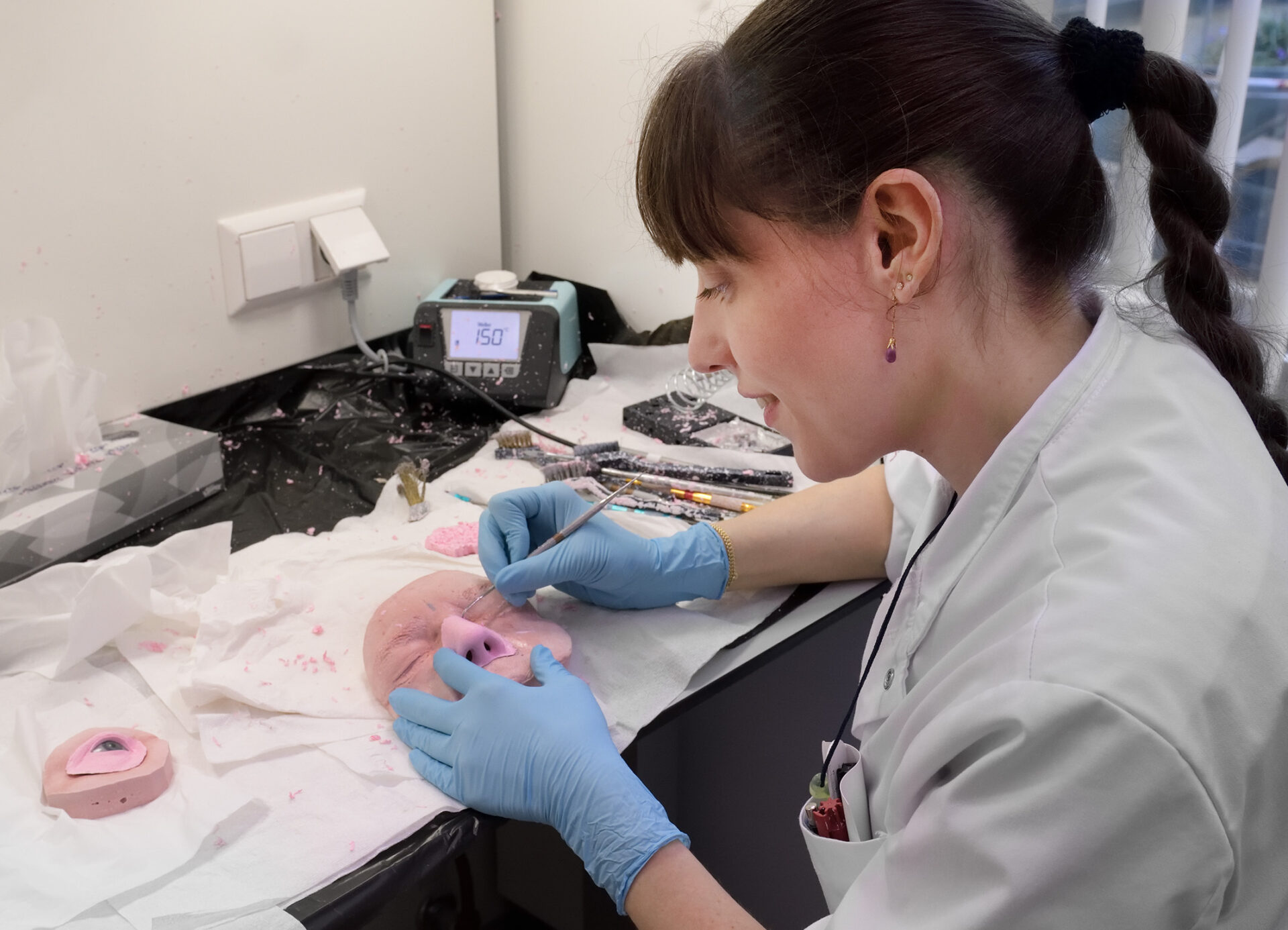
There are glass and plastic ocular prostheses. What are the pros and cons of the different types? And where do you get these made?

What changes after an eye removal? How does that affect work or school, exercising, and driving, for example? How do you cope with fatigue and emotions?
Read about how other people experience life with one eye.


“When I take off the prosthetic and put it in a small container with Biotex, I even think I can feel the soap stinging.”



“Thanks to my prosthetic eye, I can tell people my story”

“I had my daughter’s eye recreated as an ocular prosthesis”



“Everyone experiences something in their life that shapes them”


“The eye prosthesis has been an improvement for me”

“I often find myself wondering, ‘What does the future hold?'”

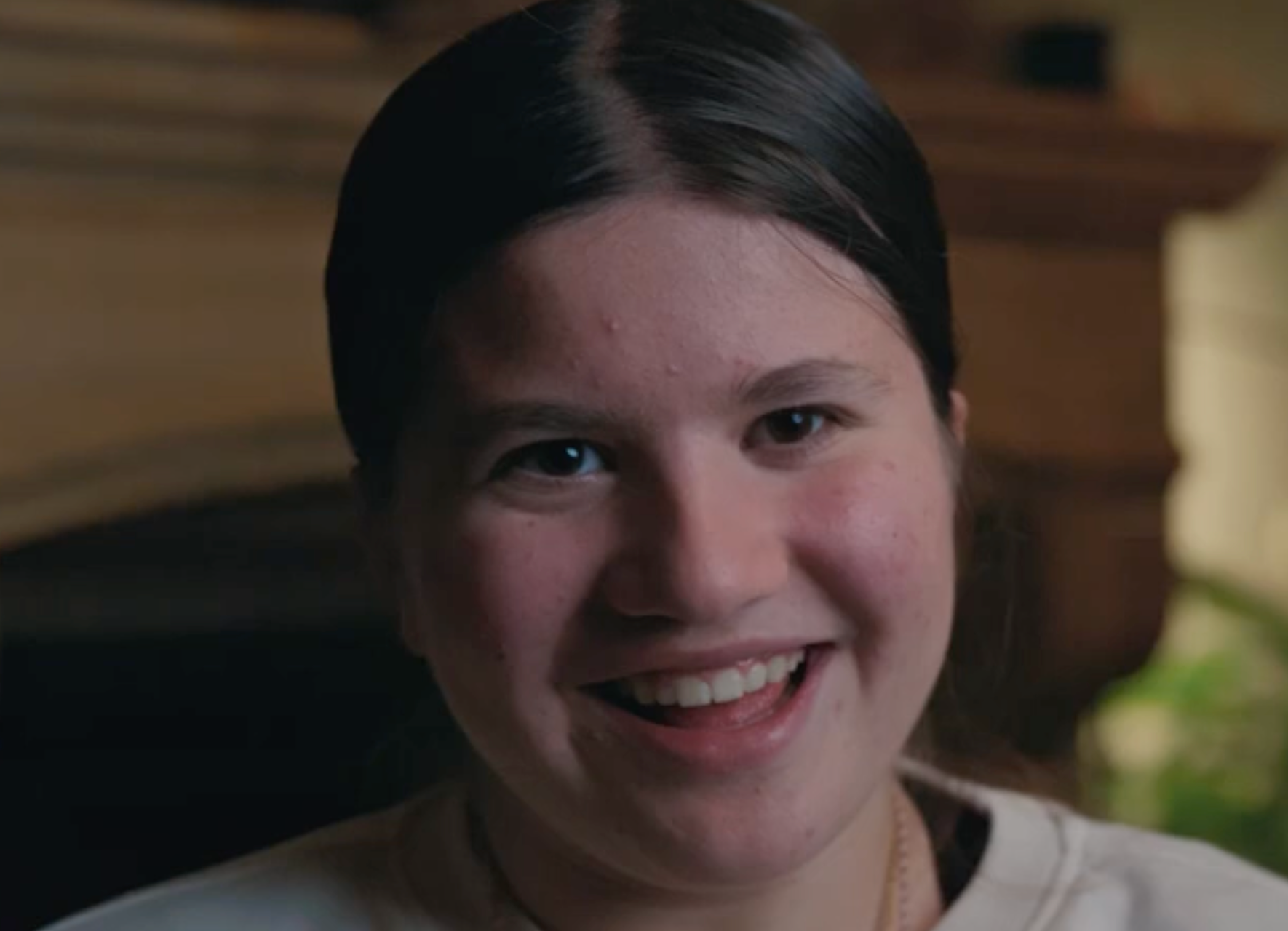
“What I want to say to other kids with an eye prosthesis is: Just be yourself.”
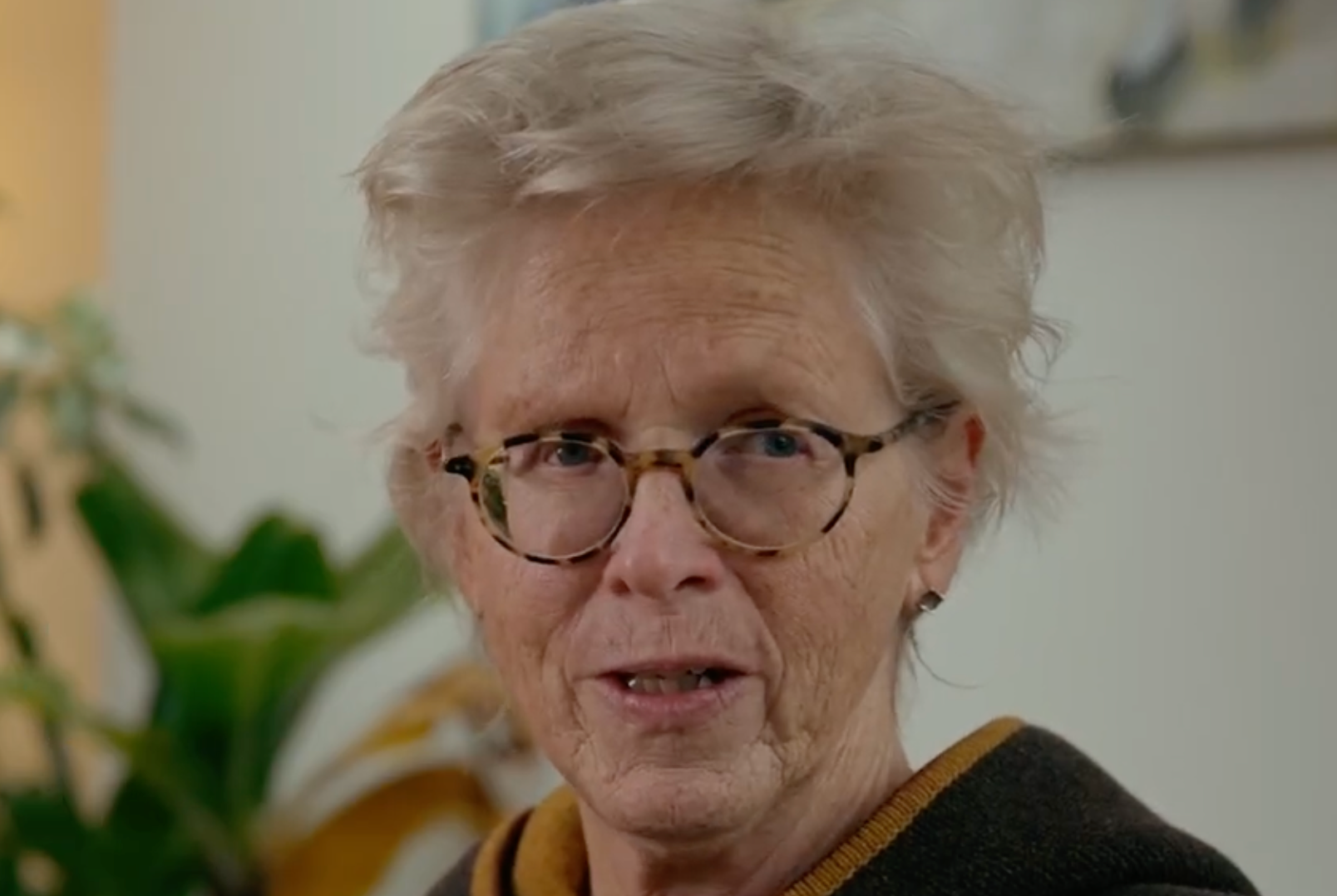
“It’s okay if people sometimes notice that I’m missing an eye”
Would you like to stay up to date on the latest news about seeing with one eye? Sign up for our free monthly newsletter!

"*" indicates required fields
In our library, we collect interesting articles and videos about living with one eye.
The OOG in Oog Association organizes online and in-person events. Click on an event for more information and to register.

There are several reasons why people see out of only one eye. Below are the most common causes
If the eye does not develop properly and its growth in the womb stops too early, the eye is often too small at birth. This condition is called microphthalmia. The abnormality usually occurs on one side, but it can also be bilateral. In anophthalmia, a baby is born without an eye. In this condition, the eye has not formed at all.

Retinoblastoma is a rare form of eye cancer that develops as the eye grows. It occurs primarily in children under the age of 4. Retinoblastoma can affect one eye (unilateral) or both eyes (bilateral). In most cases (85%) of unilateral retinoblastoma, the condition is not hereditary. If a child has retinoblastoma in both eyes, the disease is always hereditary. In the Netherlands, the disease is diagnosed in an average of 10–12 children per year. Approximately 60% of these children have unilateral retinoblastoma, and 40% have the bilateral form.

You develop an ocular infarction when one or more arteries in the eye become blocked. As a result, part of the retina is deprived of oxygen. Suddenly, your vision in one eye becomes blurred. An ocular infarction does not cause pain. The most common cause is a blood clot that originates in the heart or a blood vessel. The severity of the vision loss depends on the location of the blocked artery.

A lazy eye, also known as amblyopia, is a condition in which vision in one eye does not develop normally during childhood. This can happen because one eye is stronger than the other, or because of a squint that causes one eye to be used less. There is nothing wrong with the eye itself. Glasses also do not help solve the problem.

An ocular melanoma is a rare form of eye cancer. An ocular melanoma can occur in various parts of the eye, such as the choroid, the iris, or the ciliary body. It is most common in the choroid. Unlike skin melanoma, ocular melanoma has no clear link to sunlight.

Glaucoma is a chronic eye condition that causes damage to the optic nerve. It is also commonly referred to as “green cataract.” The damage to the optic nerve is caused by high eye pressure. If the drainage system in your eye isn’t working properly, the aqueous humor has a harder time draining, and the pressure inside your eye increases. Aqueous humor is different from tear fluid, which is found on the outside of your eye.

A retinal detachment occurs when the retina detaches from the eyeball. This can be caused by the vitreous humor separating from the retina. This can lead to small tears in the retina. Fluid can then seep under the retina through such a tear. The risk is higher in older adults. People who are nearsighted (with a prescription of -6 or higher) and those with a family history of retinal detachment are at greater risk.

Eye injuries can be caused by accidents—such as with fireworks, while playing sports, while working in the garden, or on the job. That’s why it’s very important to take proper precautions. For example, wear safety glasses when pruning and fireworks goggles when setting off fireworks.

Acanthamoeba keratitis is a rare corneal infection. The outer layer of your eye becomes inflamed due to a tiny, invisible parasite (Acanthamoeba). This tiny organism is found in water. This inflammation of the cornea primarily affects contact lens wearers, because the parasite settles under the lens.