



Most people—when they lose sight in one eye—initially feel vulnerable and uncertain. Usually, those feelings fade on their own, and you get back on track as best you can. Sometimes that happens naturally, but most of the time you need a good dose of resilience to feel somewhat like your old self again.
What is resilience?
Resilience is the ability to recover from stress and adversity. This ability to bounce back is determined by a combination of:
- Genetic predisposition: This includes your innate temperament, optimism, self-confidence, and ability to solve problems. Research has shown that genetic predisposition plays only a minor role in resilience.
- Personal History: Past experiences with setbacks and how you dealt with them can prepare you for future challenges.
- Social support: Strong relationships with family, friends, and coworkers can help during difficult times.
- Healthy Lifestyle: Regular exercise, a balanced diet, and adequate sleep contribute to your physical and mental resilience.
- Coping strategies: Your ability to find ways to deal with stress and setbacks—such as mindfulness, meditation, or keeping a journal—can increase your resilience.
By consciously working on these aspects, you can strengthen your resilience and better cope with your illness or the loss of an eye.
Exercise helps
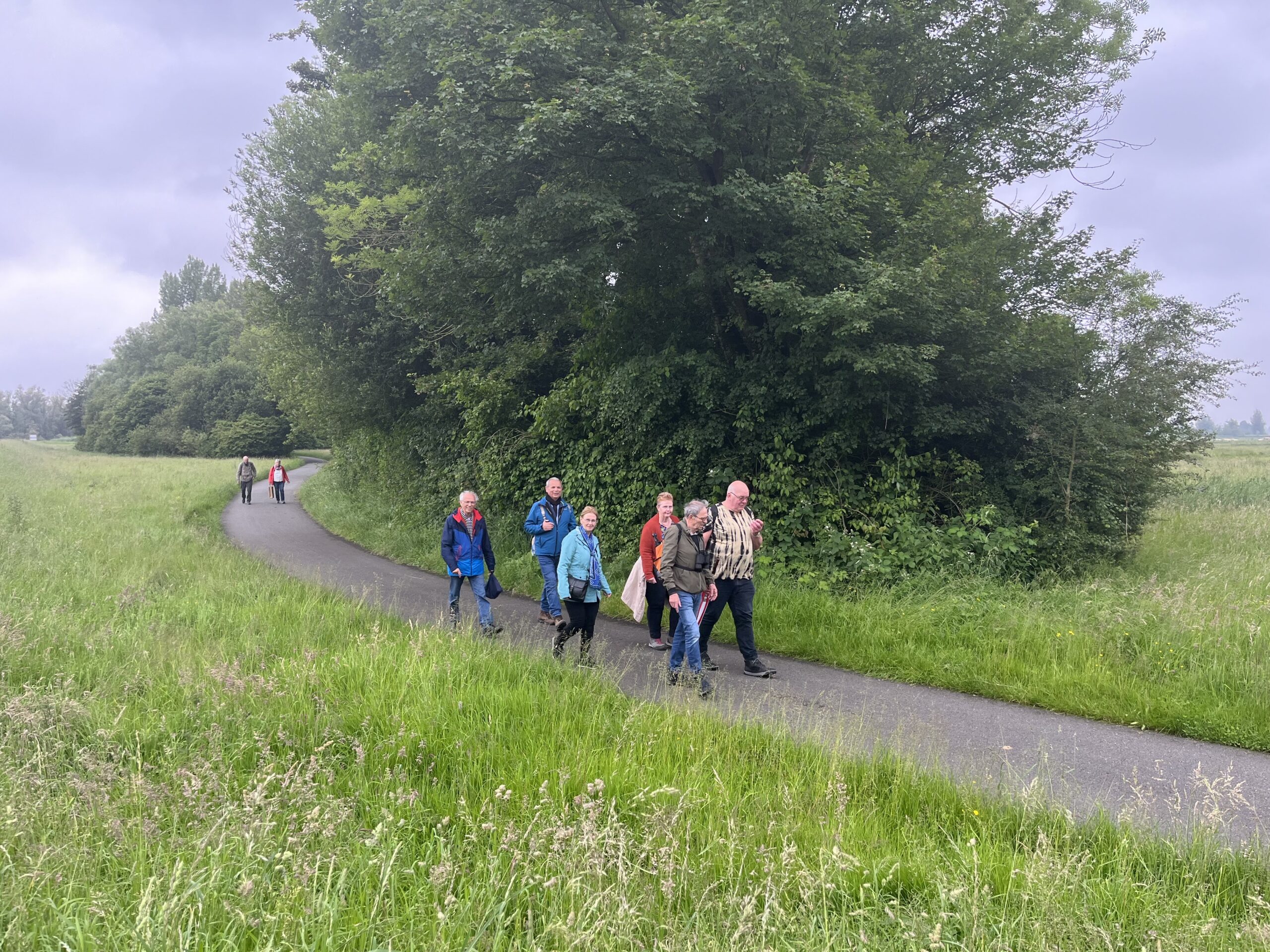
Let’s take a closer look at “regular physical activity.” How can this help you build more resilience? Physical activity reduces cortisol, the stress hormone, and increases the production of endorphins, which make you feel good. Exercise can also reduce symptoms of anxiety and depression. Exercise also improves your energy levels and endurance. This helps you better cope with new challenges, such as seeing with one eye. Regular physical activity also helps you sleep better. As a result, you’ll recover more quickly and be better able to handle stress. And last but not least: achieving your exercise goals can give you a sense of self-confidence and control over your life. This, in turn, helps build your resilience.
The recommendation is to get at least 2.5 hours of physical activity per week. This could include walking, biking, running, playing tennis, working out, dancing, or practicing a martial art. Are you meeting this physical activity recommendation?
Great hiking spots to boost your resilience
- https://www.ommetjenederland.nl/map
- https://www.hersenstichting.nl/ommetje/
- https://www.wandel.nl/
- And if you run out of steam along the way, the “Alle Bankjes” app for your phone provides information about nearby benches or picnic tables while you’re out walking.
Tips for Building Resilience
- Calculate your energy balance!
- Accept that sometimes you just have to get by.
- Accept yourself!
- Every step counts!
- Say “no” regularly!
- Focus on something other than your problem!
- Physical activity is good for your mental resilience!
- Be kind to yourself.
