
header image

Who is HerZien for?

HerZien is intended for people 18 years of age and older who:

  • to lose one eye or be about to lose one
  • to be blind in one eye
  • wear or will start wearing an eye prosthesis
  • need to connect with people who are going through the same thing

It doesn’t matter what the reason is. Everyone is welcome.

What can you expect?

HerZien offers a safe and welcoming place where you can:

  • share your experiences
  • you can boost your self-confidence
  • find practical solutions
  • you feel less alone

You’ll have three sessions with the same group of people every two weeks. After that, the program is essentially complete. If you still feel the need to continue talking with others who’ve been through the same experience, you can sign up for the follow-up group, which includes people who have previously participated in HerZien.
Practical Information

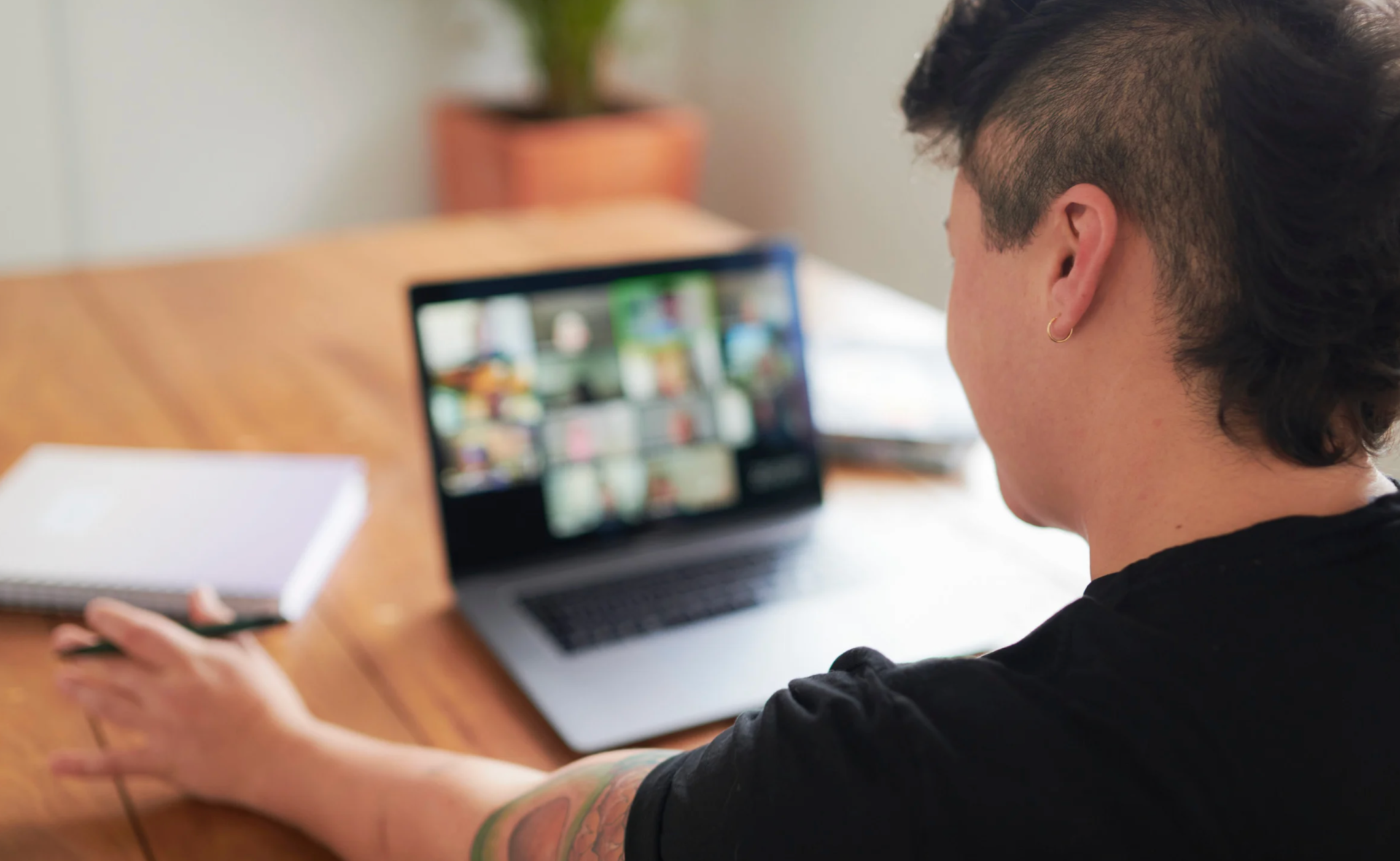
  • Format: Online discussion group (via Google Meet)
  • Frequency: Every 2 weeks
  • Duration: 1.5 hours per session, from 7:30 p.m. to 9:00 p.m.
  • You decide which round you want to sign up for.
  • There are two more sessions in 2026:
    Monday evenings, September 7, September 21, and October 5 (moderators: Christina Oost and Afke Middelkoop)
    Tuesday evenings, November 3, November 17, and December 1 (facilitators: Ruud Nobbe and Afke Middelkoop)
  • Number of participants: Minimum of 3, maximum of 10
  • A few days before each meeting, you’ll receive a Google Meet link
  • If the group is full, you’ll be put on the waiting list so you can join later.

Section image

Group Rules

To ensure that everyone has a pleasant and safe experience, the following guidelines apply:

  • We treat each other with respect.
  • Confidentiality: What is shared stays within the group.
  • Attendance: Always try to be present.
  • Can’t make it? Please let us know in advance.
  • Please turn off your cell phone during the meeting.
  • Take good care of yourself. If things get too emotional or you’re tired, you’re always welcome to step away for a bit. Just let us know what you’re doing.
  • After you participate, we’ll ask for some brief feedback.

Why Peer-to-Peer Support Works

Research shows that connecting with peers in similar situations has a positive effect on health. Among other things, it helps with:
  • Mental Well-Being: Less Anxiety, More Peace of Mind
  • Quality of life: less gloom, more joy
  • Getting Involved: Less Loneliness, More Support
  • Daily Life: Coping Better with Stress and Problems
Section image

We're also looking for moderators

Would you like to contribute to this ongoing discussion group? If so, check out the job posting for a discussion leader.

You might also be interested in...

Skip to content