Go to...


Anoftalmia is a condition in which a baby is born without an eye. In this condition, the eye is either completely absent or malformed. The condition usually affects one side, but it can also occur on both sides.
If the eye’s growth in the womb stops too early, the eye is often too small at birth. This is called microphthalmia. In microphthalmia, one or more parts of the eye are always malformed. Examples include the lens, the cornea, the iris, the retina, or the optic nerve. This eye condition can occur in either one or both eyes, but in most babies, it affects only one eye.
In the Netherlands, approximately 15 babies are born each year with anophthalmia or microphthalmia.
In most cases, an examination after birth reveals that one eye is too small or missing. To be certain, the doctor performs an ultrasound or MRI of the eyes. The imaging allows the doctor to see whether an optic nerve and an eye are present and to assess the development and size of the eye. Vision (visual acuity) can only be measured at a later age.
In some cases, abnormalities in other organs occur alongside anophthalmia or microphthalmia. If anophthalmia or microphthalmia is accompanied by other abnormalities, this may be consistent with a syndrome caused by a defect in the DNA.
As a child grows, so does the head. In cases of anophthalmia and microphthalmia, the eye socket and eyelids are already smaller at birth and subsequently do not grow as much in proportion to the rest of the skull because the eye is missing. The first years of life are very important for the growth of the eye and the eye socket. If no treatment is provided, the difference between the normal eye and the affected eye can become more pronounced. This causes the face to take on an asymmetrical shape. For this reason, treatment is usually started early in most babies. It becomes more difficult to correct the asymmetry later in life. In general, the smaller the eye, the smaller the eyelids and the eye socket. Conversely, mild microphthalmia typically results in only mild, sometimes negligible asymmetry, which does not always require treatment.
The ocularist creates a custom-made prosthetic eye for each child. The prosthetic eye should ultimately resemble the other eye as closely as possible. In the beginning, the size and fit of the prosthesis are most important. The older the child gets, the more important the resemblance becomes. During the first few months of life, the eyes grow the fastest, which means the conformer must be replaced frequently to mimic the natural growth of an eye. The conformers and artificial eyes are made of plastic, which has the major advantage of being unbreakable.
If one eye is missing (anophthalmia), the child will never be able to see out of that eye. In cases of microphthalmia, there is also a high likelihood that this small eye will not be able to see. If the other eye is healthy, the child can often see normally with that eye. If the other eye also has a problem, the child may be blind or have very low vision.
If a child is born with only one eye, they will naturally learn to judge depth with that eye. With one eye, a child can read and play sports, and keeping up in school is no problem. Cycling and, later on, driving a car are also perfectly possible with one good eye. However, protective eyewear may be worth considering for activities such as sports.
If both eyes are blind or have poor vision, a visual rehabilitation center will be involved at an early age to provide the best possible support for the child’s development.
In our online library , you can read about other people’s experiences with microphthalmia and anophthalmia. You can also join our WhatsApp community and select the anophthalmia and microphthalmia group.
Children with microphthalmia and anophthalmia are treated in the Netherlands at the Amsterdam UMC academic medical center. It is the only hospital in the Netherlands that offers a MICA clinic.
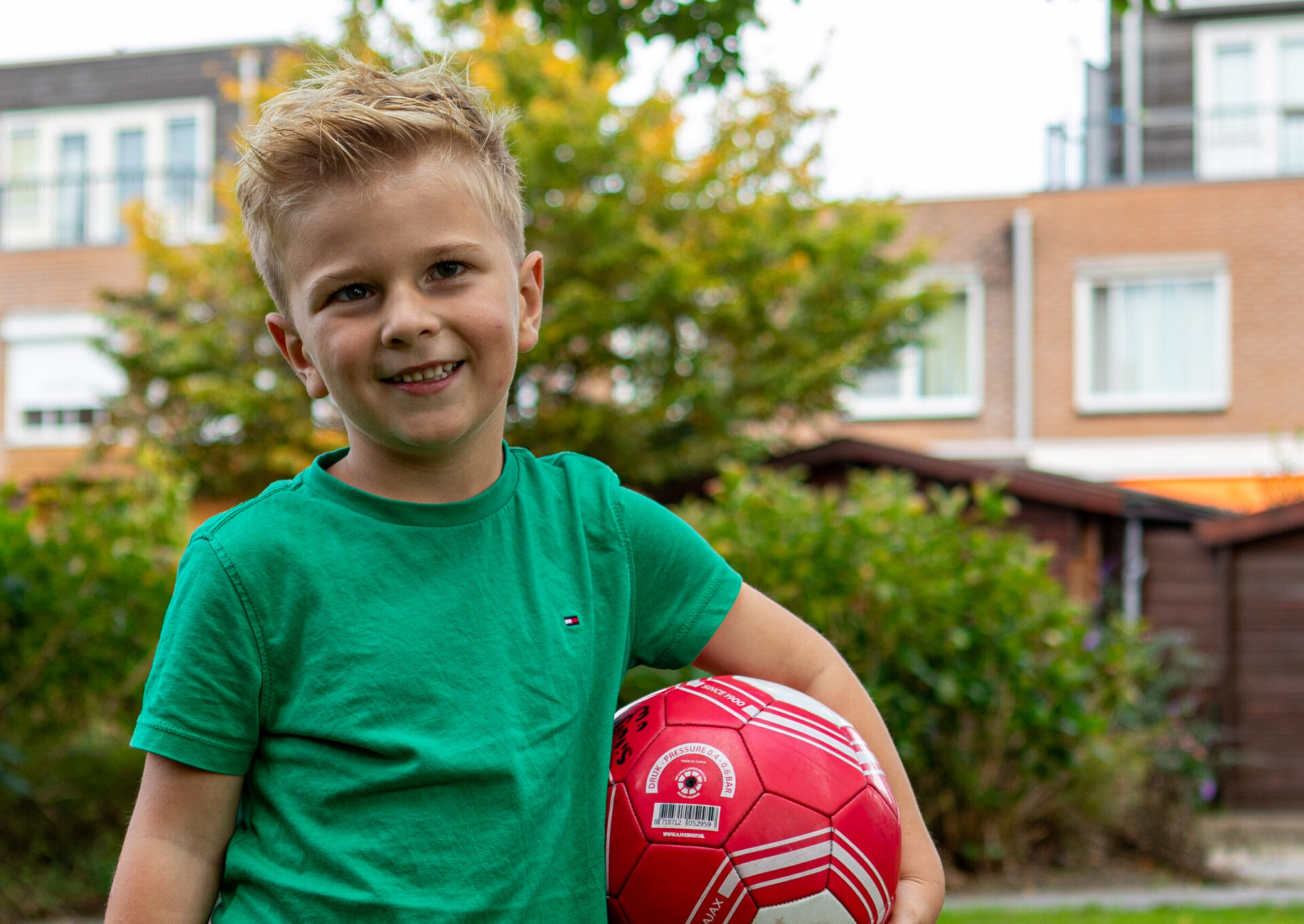
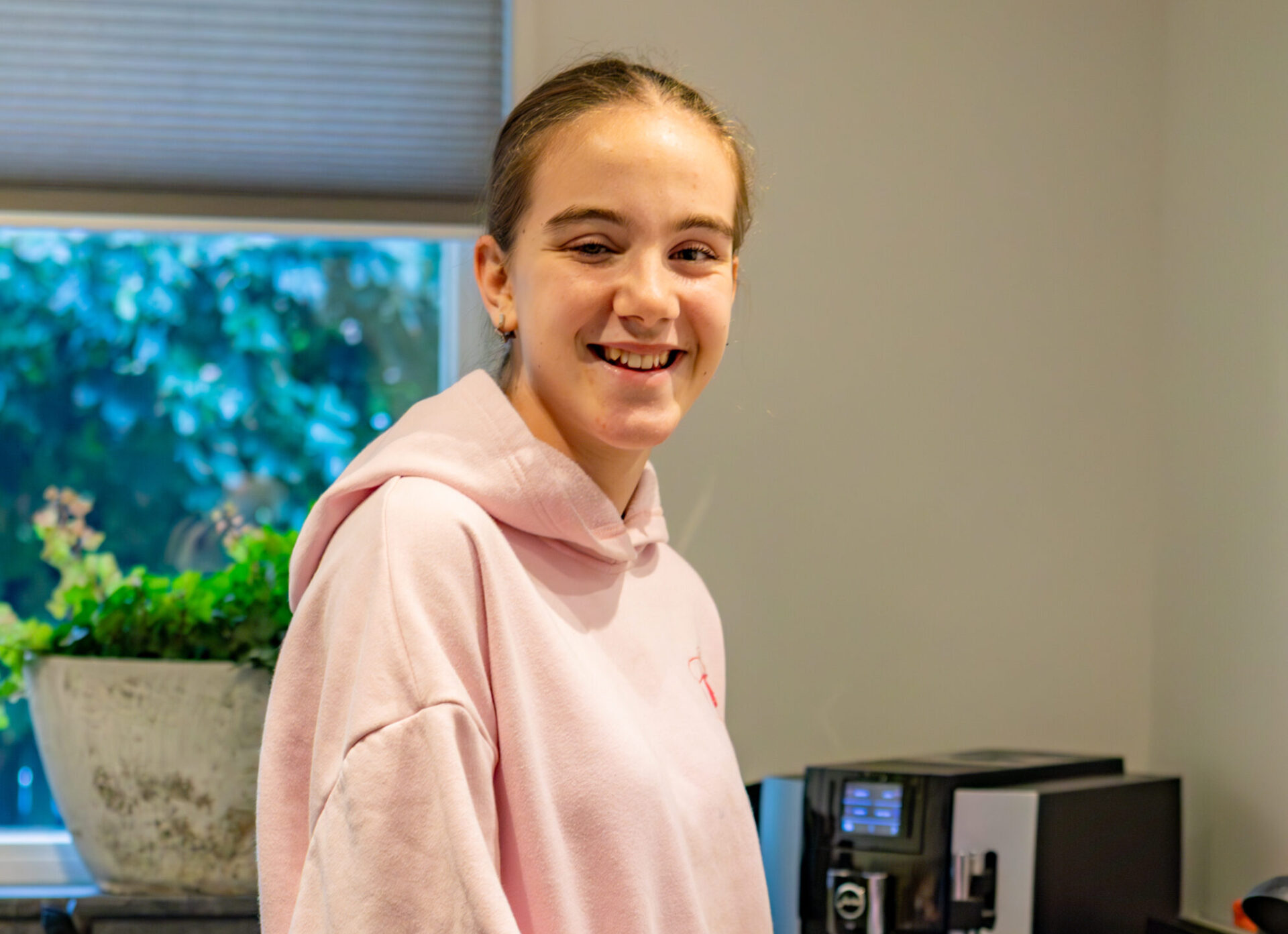
Minke was born with microphthalmia, a small, non-functioning eye. “What I want to say to other kids with an eye prosthesis is: Just be yourself. Do the things you enjoy, and don’t let anyone ruin that for you. If others make mean comments, don’t let it get to you. Those people just want attention for themselves.”