



Nutrition
Your eyes need specific nutrients to continue functioning properly. Antioxidants are especially important because they help prevent damage to the retina.
Important nutrients for your eyes:
- Vitamin A: essential for the retina (think carrots, sweet potatoes).
- Lutein & zeaxanthin: natural pigments that protect your eyes from light damage (found in kale, spinach, and eggs).
- Omega-3 fatty acids: support retinal health and may help reduce dry eyes (fatty fish such as salmon and mackerel).
- Zinc & vitamins C and E: may help slow age-related vision loss.
Tip: Try to eat a handful of nuts, a serving of green vegetables, and a portion of fatty fish once a week. This will help nourish your eyes from the inside out.
Exercise
Regular exercise not only keeps your heart and muscles healthy, but also helps improve blood flow to your eyes. Good blood circulation ensures that the retina receives enough oxygen and nutrients.
Proven benefits of exercise for your eyes:
- Reduces the risk of glaucoma (increased intraocular pressure)
- Keeps your blood vessels healthy, which indirectly supports your eye function
- Helps manage diabetes and high blood pressure, both of which are risk factors for eye diseases
Tip: Even just 30 minutes of brisk walking a day can have a positive effect. Choose something you can stick with: swimming, biking, dancing—it all counts.
Sleep
A good night’s sleep is very important for eye health. While you sleep, your eyes stay moist and can recover from the strain of the day.
Poor sleep can lead to:
- Dry, burning eyes
- Tired eye muscles
- Slower recovery time in cases of irritation or minor damage
Tip: Try to stick to a regular sleep schedule and limit screen time one hour before bed. Is your bedroom dry? Use a humidifier.
Smoking and Alcohol
Smoking significantly increases the risk of certain eye diseases. It can also impair blood flow to the eye. Drinking large amounts of alcohol can lead to a deficiency in vitamins that are important for your vision.
Tip: Quitting smoking is one of the best things you can do for your eye health. Seek support if you need it—it’s worth it.
Protection and Control
With only one eye, you are more vulnerable to injury or deterioration. Prevention and regular checkups are therefore even more important.
What you can do:
- Wear safety glasses when doing home improvement projects, gardening, or playing sports.
- Have your eyes checked at least once a year.
- Use sun protection: UV-blocking sunglasses help protect your retina.
Lifestyle as Eye Care
A healthy lifestyle doesn’t guarantee that you’ll never have eye problems, but it does increase your chances of being able to rely on your one eye for a long time. Think of your lifestyle as a form of eye care. What’s good for your body is often good for your vision, too.
LifestyleChange
A useful resource for living a healthier life is the “Lifestyle Compass” from the Association of Physicians and Lifestyle. It’s a simple tool that shows you what’s important for your health.
The Lifestyle Compass consists of six components:
- Nutrition (what you eat and drink)
- Physical Activity (how much you move)
- Relaxation (How to Unwind)
- Sleep (how well you sleep)
- Connection (interaction with others)
- Substances (such as alcohol, tobacco, and medications)
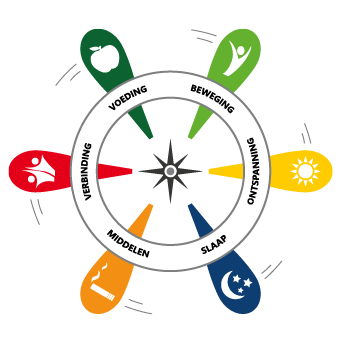
With this tool, you can choose for yourself what you want to work on. Start with what’s most important to you. You’ll often find that when one area improves, the others become easier as well.
