



The pessimists say they couldn’t live with just one eye. The optimists say everything will be all right. The know-it-alls say you can’t drive, that you can’t see colors or depth, but that your hearing is better. These comments are surely well-intentioned, but they don’t help me at all.
Want to share experiences
I do appreciate comments that come from genuine interest. Sometimes that comment comes from someone who first closed one eye for a moment to experience what it’s like to see with just one eye. Then I’m happy to explain that I can see well with my one eye, that I’m able and allowed to drive, and that I’m not colorblind. I explain that my field of vision is narrower, but that I can expand it by turning my head more. I also mention that I rely more on my other senses—for example, by listening when I want to cross the street, and when I’m out walking in nature, I often smell certain prickly bushes and bodies of water, which helps me avoid walking into the prickly bushes or into the water.
Can you see depth?
The most frequently asked question is: Can you see depth? The answer is: No, that’s actually only possible if the brain combines the two images that each eye sends to it into a single image. So you can’t do that with just one eye, but over time you’re supposed to get used to it. Now, after 10 years, I still haven’t gotten used to it very well, and I don’t see differences in depth and height very well. I find that hard to explain to someone who can see depth. But on the children’s show *Topdoks*, I saw something brilliant.
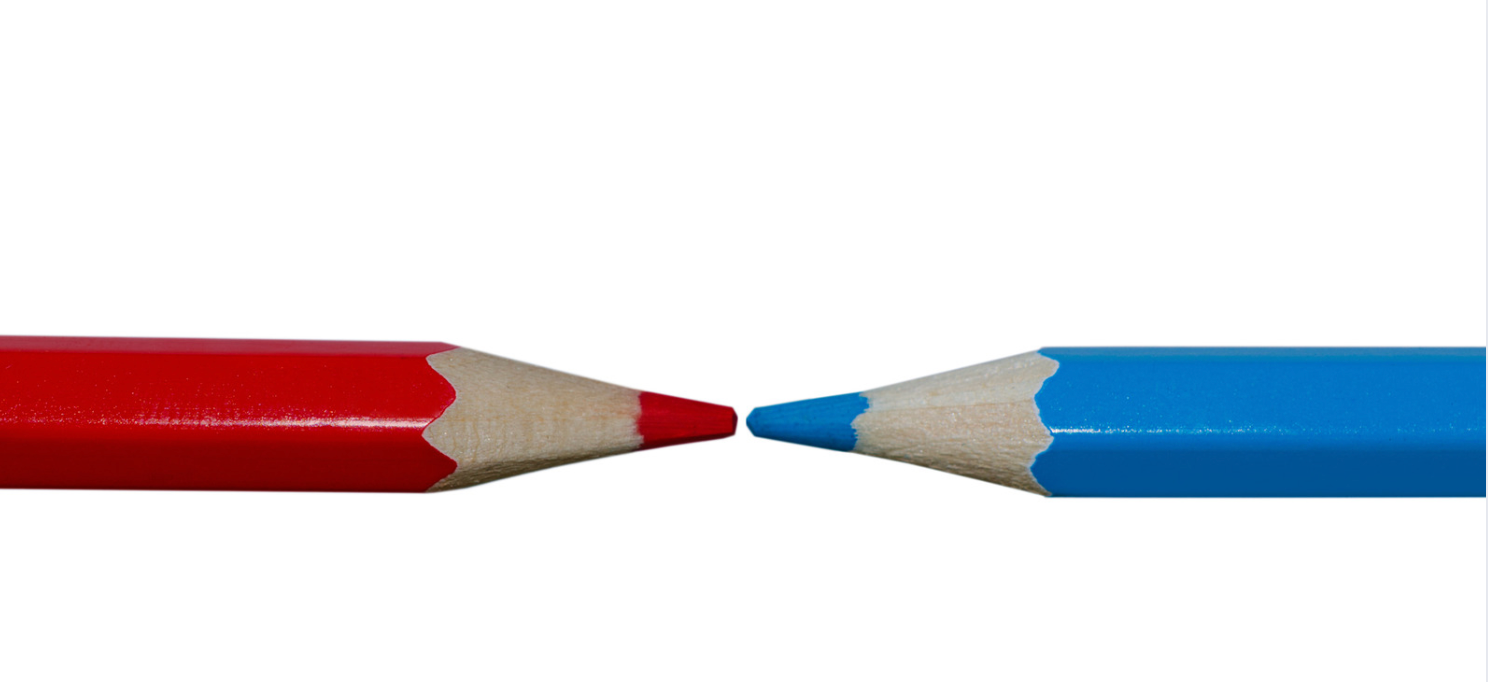
The children held a pencil in each hand and had no trouble bringing the tips together. They did it again, this time with one eye closed. The tips didn’t meet, but slid past each other—one in front of the other. With this simple test, you can let people experience what it’s like to be unable to see depth!
Anita Hol-Bubeck
