



Glaucoma is a general term for eye diseases in which the optic nerve is gradually damaged. That nerve is the “cable” that sends signals from your eye to your brain. Most often, elevated intraocular pressure is the culprit, though what constitutes normal intraocular pressure varies from person to person. The insidious thing is that you often don’t notice anything at first. It’s only once damage has already occurred that you’ll notice parts of your field of vision disappearing. This damage is irreversible: nerve fibers that are lost do not grow back.
How Common Is Glaucoma?
In the Netherlands, an estimated 358,000 people have glaucoma. Worldwide, millions of people are affected, especially those over the age of 40. The older you get, the greater the chance that you will develop it. Glaucoma is relatively common among people over the age of 80. Some patients eventually lose vision in one eye, and a smaller number become completely blind.
One or both eyes
Glaucoma can start in one eye, but it is usually a bilateral condition. This means that even if you only notice it in one eye, both eyes are susceptible to the same damage to the optic nerve. Often, the condition progresses more quickly in one eye or becomes noticeable sooner, but in the majority of people, glaucoma is eventually diagnosed in both eyes. In some forms, such as acute angle-closure glaucoma, the risk that the second eye will also be affected is particularly high: in 40 to 80 percent of cases within five to ten years. To reduce that risk, the ophthalmologist will, in most cases, treat the other eye preventively as well.
Who Is at Increased Risk
Some people are naturally more likely to develop glaucoma. Age plays an important role, but heredity is also a major factor. For this reason, the patient’s siblings and children are often screened as well. Certain eye conditions, such as severe nearsightedness or farsightedness, also increase the risk. In addition, people from certain ethnic backgrounds, such as those of African descent, are at higher risk.
Eye Removal Due to Glaucoma: Rare, but Sometimes Necessary
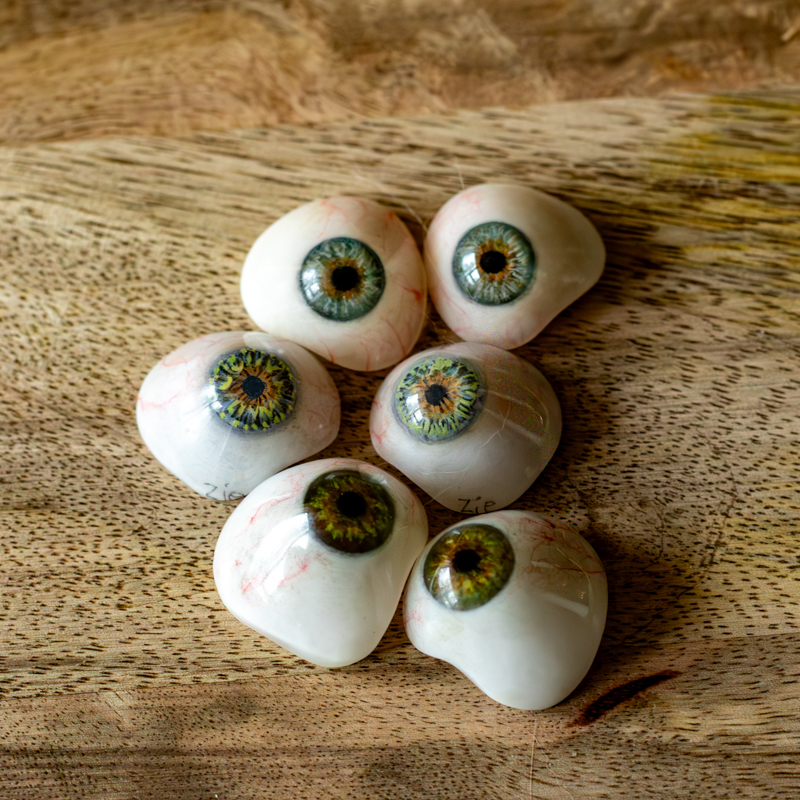
In most cases, glaucoma can be effectively treated with eye drops, laser therapy, or surgery. Only in extreme cases—such as an eye that is completely blind or remains painful despite treatment, and where preserving the eye is not an option—can eye removal be considered. This is sometimes the case with specific forms of glaucoma, such as after an ocular thrombosis. Studies show that only a very small proportion of people with glaucoma require an eye removal.
What You Can Do Yourself
Because glaucoma often develops without any noticeable symptoms, regular checkups with an ophthalmologist are essential. Screening usually begins afterage 40, unless a family member developed glaucoma at a younger age. In that case, it’s best to consult with your doctor to determine the best time to start the checkups. Don’t just have your eye pressure measured; also ask for an examination of your optic nerve and your visual field. The earlier glaucoma is detected, the greater the chance that further damage can be prevented.
You can also help preserve your vision on your own. According to research, a healthy diet—rich in green vegetables, red fruits, and fish—appears to have a beneficial effect on your risk. It’s also important to have any elevated eye pressure treated immediately with eye drops, laser treatment, or another procedure, depending on your doctor’s advice.
Glaucoma cannot be cured, but with the right care, you can prevent it from permanently damaging your vision or causing you to lose sight in both eyes.
