

Go to...


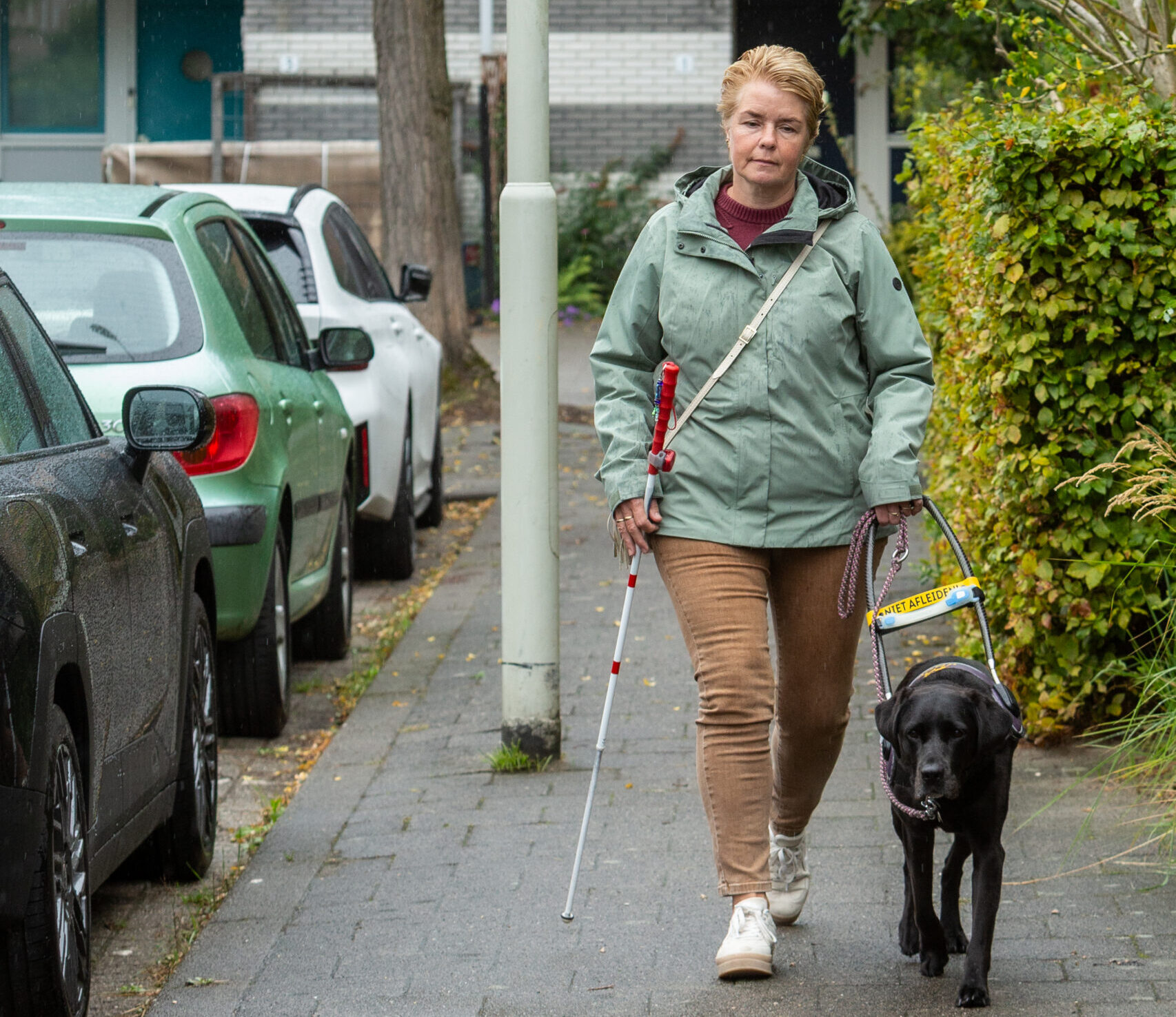
An ocular prosthesis replaces an eye that has been removed. Ocular prostheses come in various shapes and are custom-made. Some people have one ocular prosthesis, while others have two. The implications vary depending on the person and the situation. You can read more about ocular prostheses on these pages.
If you have an ocular prosthesis in one eye, you may worry that your other eye will also deteriorate and that you might go blind. These concerns are completely understandable. Talking to your ophthalmologist can provide clarity. Regular checkups at the hospital are also important. Connecting with others who have gone through similar experiences or talking to a social worker can also help you cope with this situation.
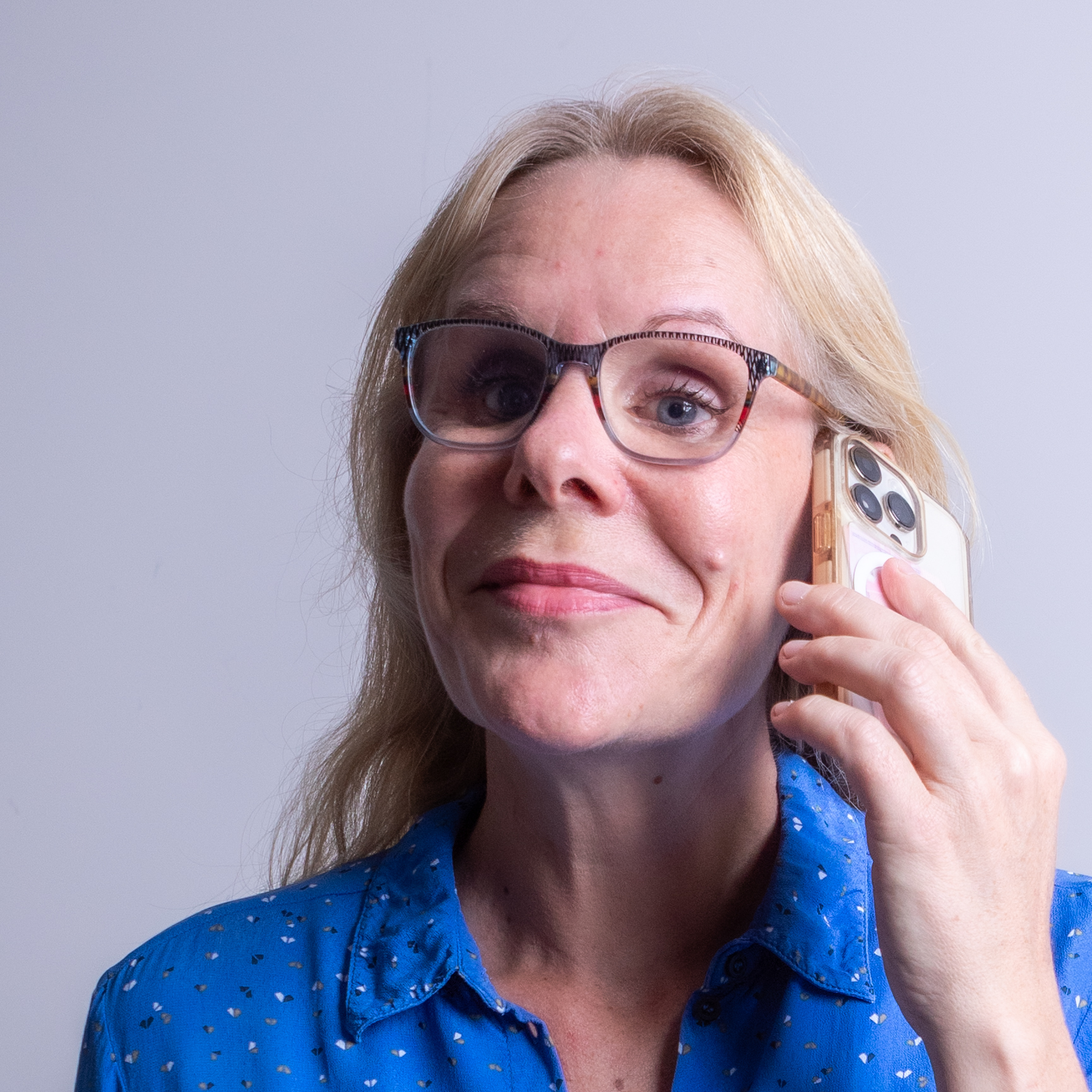
If you can’t see, it’s hard to check whether your prosthesis fits properly. You’ll mainly learn to do this by feel. By taking steady steps and practicing at a relaxed pace, it will become easier and easier. An ocularist, nurse, or rehabilitation specialist can help you with this. The step-by-step guide below can also help you with this:
When someone has lost sight in both eyes, they often lack any ability to perceive light. This requires a new way of living and moving around. You have to relearn how to find your way around, both at home and outside. This is a process that takes time and guidance.
If you can no longer tell whether it is light or dark, your circadian rhythm may also be disrupted. This can lead to sleep problems, fatigue, and difficulty concentrating. Establishing a daily routine and sticking to a set schedule can help. Discuss these symptoms with your primary care physician or rehabilitation specialist.
Not being able to read as you used to can be a great loss. Fortunately, there are good alternatives, such as audiobooks, audio newspapers, and Braille. Useful websites for this include:
• Accessible Reading: audiobooks, newspapers, and Braille
• Leesbutler: help finding accessible reading formats
Good support is essential to maintaining safety and independence. Orientation and mobility training helps you walk, remember routes, and navigate obstacles. This increases your independence and self-confidence. Organizations such as Koninklijke Visio and Bartiméus can help you with this.

Losing your vision or an eye can feel like a loss. Sadness, anger, or a sense of helplessness are all part of that process. It’s okay to feel these emotions. Talking to others, seeking professional help, or connecting with others who have gone through similar experiences can help you cope. Read more about the mental health effects on this page.
The OOG in OOG Association offers a place where you can share your experiences with people going through the same thing. Fellow patients often understand what you’re going through without needing much explanation. This connection can provide support, a sense of recognition, and practical tips. Everyone experiences life with an ocular prosthesis in their own way. There’s no right or wrong pace. Take your time, ask for help when needed, and know that you’re not in this alone. The team of blind and severely visually impaired people at the OOG in OOG Association is here to listen to your story and is happy to help you figure things out. You can also join our WhatsApp group for blind and severely visually impaired people in the WhatsApp Community.

The OOG in OOG Association provides information, organizes meetups, offers advice, and advocates for your interests. See what we do for people who see with one eye.

There are glass and plastic eye prostheses. What are the pros and cons of the different types? And where can you have them made?

If you’re about to have an eye removal procedure, you often have a lot of questions. What exactly will happen? What are the consequences of the surgery? Which doctor should I see?